Wildlife Safaris Across East Africa
The Wild on Its Own Terms
No wildlife documentary, however beautifully made, has ever fully captured what it feels like to be there. The weight of the air in the early morning. The sound of the ground shifting under a moving elephant herd. The particular stillness that falls over the bush when a leopard is nearby and every other creature knows it before you do. These are things that happen to you in person, in real time, and they change the way you understand the natural world from that point forward.
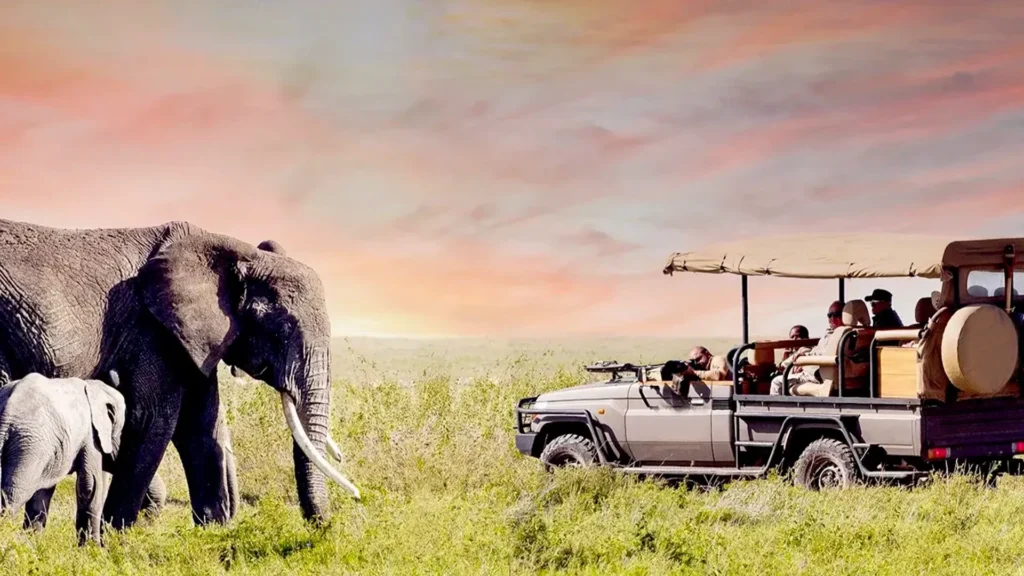
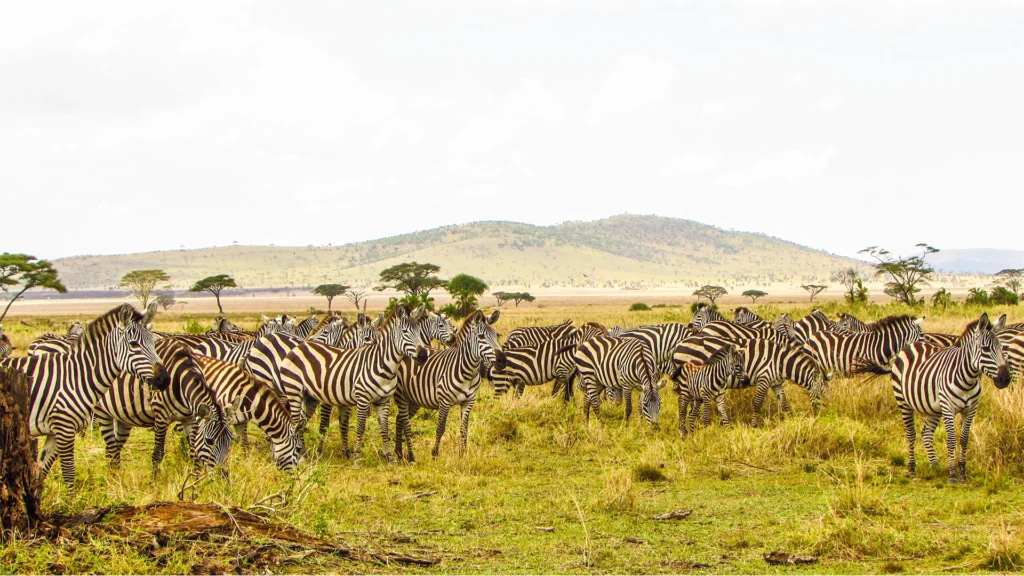
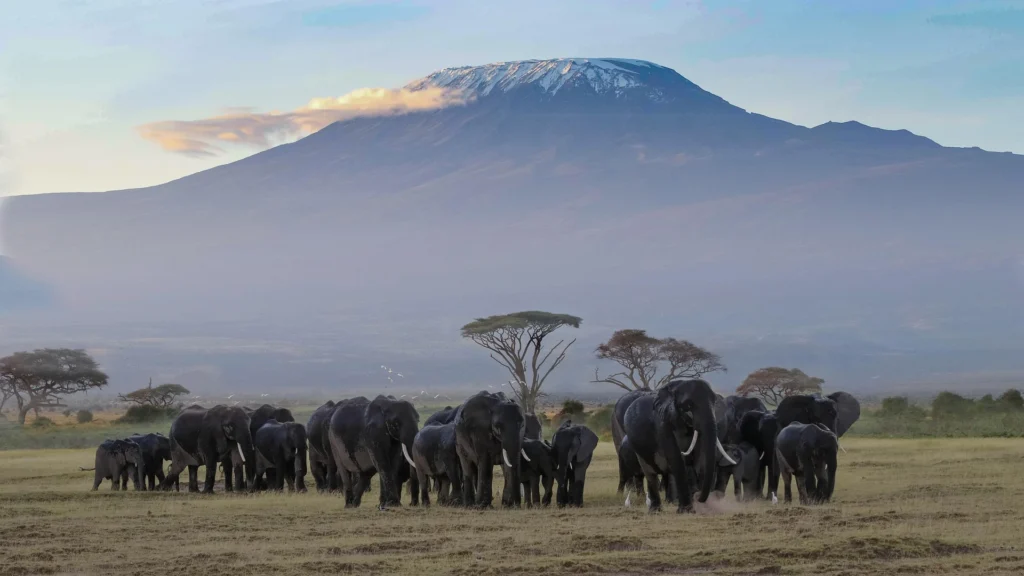
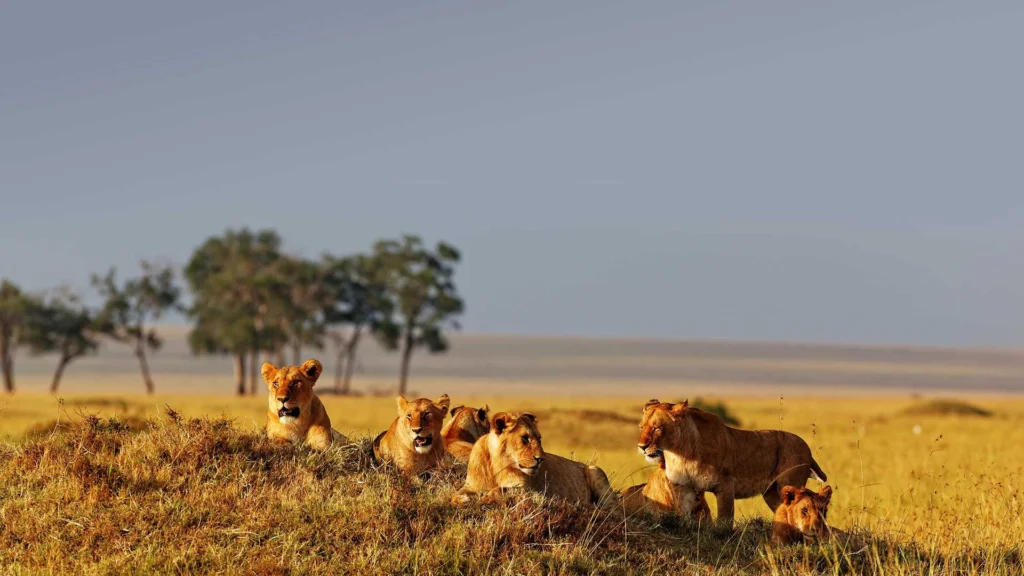
East Africa is, quite simply, the greatest wildlife destination on earth. Not by reputation alone, but by the sheer scale and variety of what its landscapes hold. In Samburu, species found almost nowhere else on the planet move through ancient semi-arid terrain along riverbeds that have sustained life here for millennia. In the Maasai Mara and the Serengeti, the Great Migration assembles more than a million wildebeest into one of nature’s most extraordinary spectacles, a movement so vast it can be felt before it is seen. In Amboseli, elephant herds of legendary size cross dry lakebeds with Kilimanjaro rising white and immense behind them. In the Ngorongoro Crater, one of Africa’s most intact ecosystems holds the Big Five within a caldera that has changed very little since the first explorers descended into it.
What sets a Wondrous Wild wildlife safari apart is not simply where we take you, but how. Every safari is private. Every guide is chosen for expertise and genuine passion for the ecosystems they work within. Every itinerary is built around the wildlife rhythms of the destinations it covers, timed and paced to put you in the right place at the right moment. Not every operator can say that with 28 years of field experience behind them.
Browse our handcrafted Kenya and Tanzania wildlife safari itineraries below, or speak to our safari designers to build a cross-border journey shaped entirely around you.
The Wild on Its Own Terms
Explore our Wildlife Safaris
Intimate, extraordinary and exclusive, each of our trip is unique. From top safari destinations to off-the-beaten-track experiences, world class beaches and incredible activities, we’ll customise a once-in-a-lifetime itinerary that reflects your interests, passions and dreams.
Travel Guide for your next Uganda Safari
Frequently Asked Questions
What is the difference between a private safari and a group safari?
On a private safari, your vehicle, your guide, and your schedule belong exclusively to your group for the entire journey. You decide when to leave camp in the morning, how long to stay with a sighting, which direction to explore, and when to stop for a bush breakfast or a sundowner. On a shared or group safari, these decisions are made collectively, and the pace of the drive is determined by the group rather than by what you are looking at.
Every Wondrous Wild safari is private. It is not an upgrade – it is the foundation on which everything else is built, because we believe there is simply no other way to experience Africa’s wildlife properly.
What are the Big Five, and are they guaranteed on a safari?
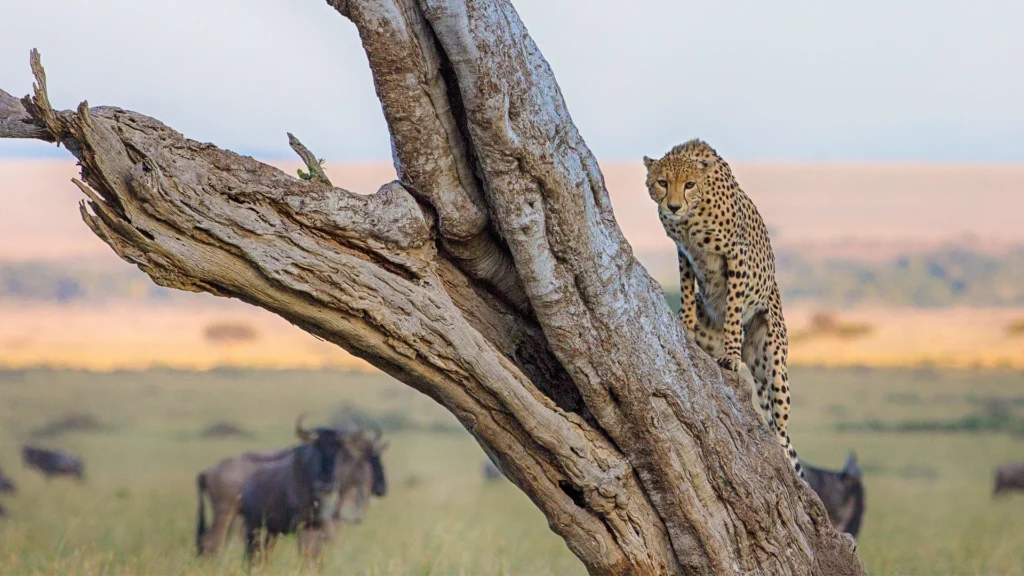
The Big Five – lion, leopard, elephant, buffalo, and rhinoceros – is a term originally coined by big game hunters to describe the five most challenging animals to hunt on foot, and it has since become the shorthand for the wildlife species most sought by safari travellers.
No reputable safari operator can guarantee specific sightings, and any that do should be treated with caution. What we can tell you is that the destinations we operate in – the Maasai Mara, Amboseli, Samburu, the Serengeti, the Ngorongoro Crater, and Ol Pejeta among them – hold healthy and well-established populations of all five species, and that our guides’ expertise and local knowledge give every game drive the best possible foundation for exceptional wildlife encounters.
When is the best time of year for wildlife viewing in East Africa?
The dry seasons – January to March and July to October – generally offer the most reliable game viewing across East Africa, as vegetation is less dense and wildlife concentrates around water sources. The Great Migration crosses the Maasai Mara between July and October, bringing the most dramatic wildlife spectacle on the continent to its peak.
That said, the green season between November and June has its own rewards – lush landscapes, newborn animals, exceptional birdlife, and considerably fewer vehicles in the reserves. Our team will advise on the timing that best suits your specific itinerary and the wildlife experiences you are most hoping to have.
How do I choose between Kenya and Tanzania for a wildlife safari?
The honest answer is that you do not have to. Kenya and Tanzania share the same extraordinary ecosystem across the Maasai Mara and Serengeti, and a two-country safari that moves between them delivers the fullest possible version of the East African wildlife story.
If you can only choose one, Kenya offers the greatest diversity of ecosystems in the shortest distances – from the arid north of Samburu to the Rift Valley lakes and the Maasai Mara – while Tanzania offers the Serengeti’s unmatched scale and the Ngorongoro Crater’s concentrated drama. Both countries are exceptional. The best safari is the one that has enough time to do justice to wherever it goes.